Clothing is central here – the fashion house Saint Laurent produces. At the front door, the three discover that they’re all wearing the same shade of burgundy – Em as her outer layer, Jeff beneath a coat – the father too, albeit buried beneath many layers. He’s been struggling with money for essentials, apparently. Guided by a strong sense of obligation, Jeff has been helping him out. Em has heard nothing of this and is less convinced. After all, their father seems to be doing all right – and is that a Rolex on his wrist?
The visit is short. They note the changes in each other’s lives like a checklist and soon run out of things to talk about. Away from the suffocation and stiltedness, Jeff and Em debrief in the car. Alone again, the father unwinds too, revealing a different picture of his life. For much of this opening gambit, we’re as lost as to the siblings’ contexts as we are to the father’s, and its conclusion leaves more questions than answers. But perhaps fostering a feeling of incompleteness at first is precisely the point – Jarmusch’s film thrives in acknowledging the ultimate unknowability of our parents.
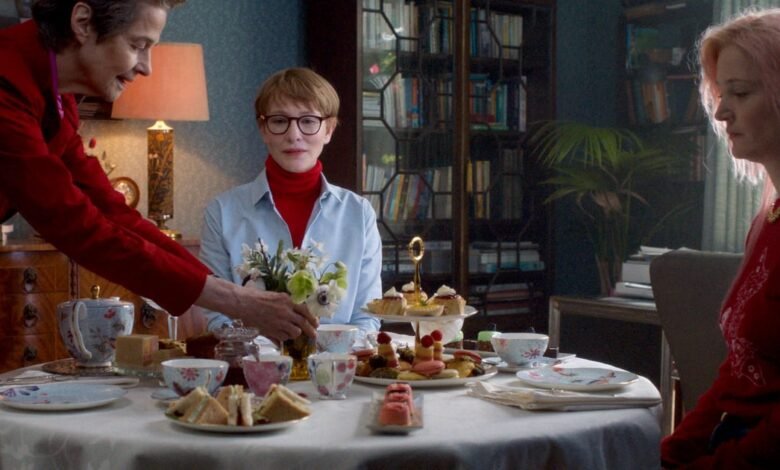
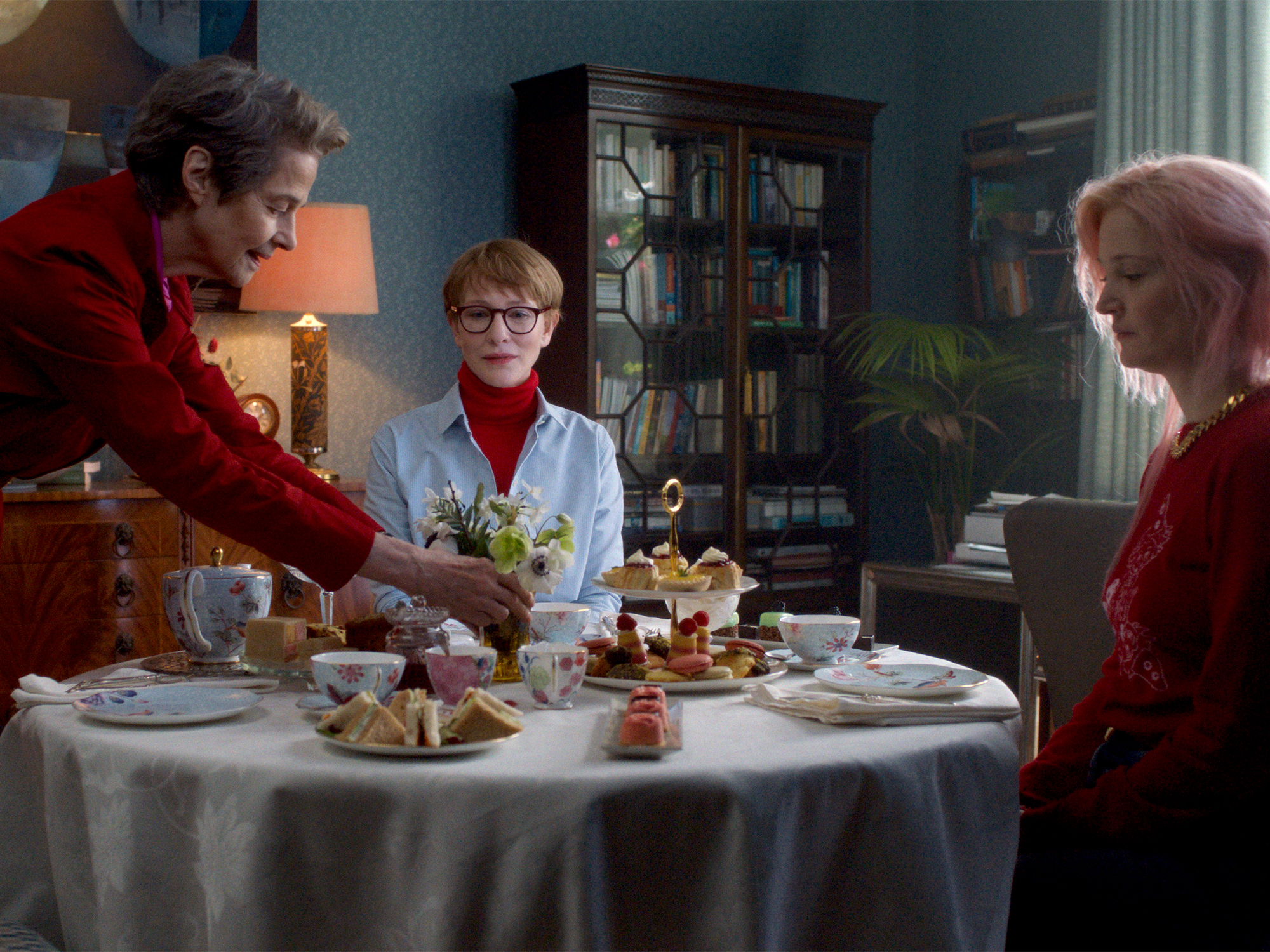
The structure repeats in the film’s second vignette, this time with greater clarity. In Dublin, a mother (Charlotte Rampling) is awaiting the arrival of her two adult children: Timothea (Cate Blanchett) and Lilith (Vicky Krieps). They live in the same city but only convene once annually, for afternoon tea. As they take their seats at the dining table, we’re introduced to further modes of familial performance. The mother is politely inquisitive, but more observant than she lets on. The pink-haired, secretly queer Lilith has carefully rehearsed which parts of her life to reveal and which to keep hidden. Krieps weaponises a control similar to that seen in her role in Phantom Thread, broadcasting the impression of being looser in her demeanour than she truly is. Rampling looks at her with a deep gaze – steely yet loving – that speaks volumes that will never be uttered aloud. Neurotic and jumpy, Blanchett is similarly transformed, cowering instinctually behind her smaller, more comfortably rebellious sister when discovered snooping through a box of books in the living room.